The First Time Wild Camper – Wild Camping Tips and Tricks
19th April 2021
Wild Camping Tips and Tricks – So you have the Wild Camping bug! Congratulations!! It’s one of the best things you can do to get fit, see the countryside (and possible some local wildlife) as well las look after your mental health.
However, what is it you need to think about for your very first trip? Read on…
Some kind of wild camping kit…
So you’re going to need some kit/equipment to help you do this. This little section isn’t about tips and tricks on what to buy, it’s more about the general things you need to think about buying. Or if you just want to taste a little bit of adventure then book onto one of my Adventure Experiences!
Carrying System
a rucksack to carry your kit. These vary in size, shape, volume and cost.
Shelter System
This is what will keep you dry, and possibly add some warmth. They come in several guises:
- Tent
- Tarp
- Bivvi Bag
Tent
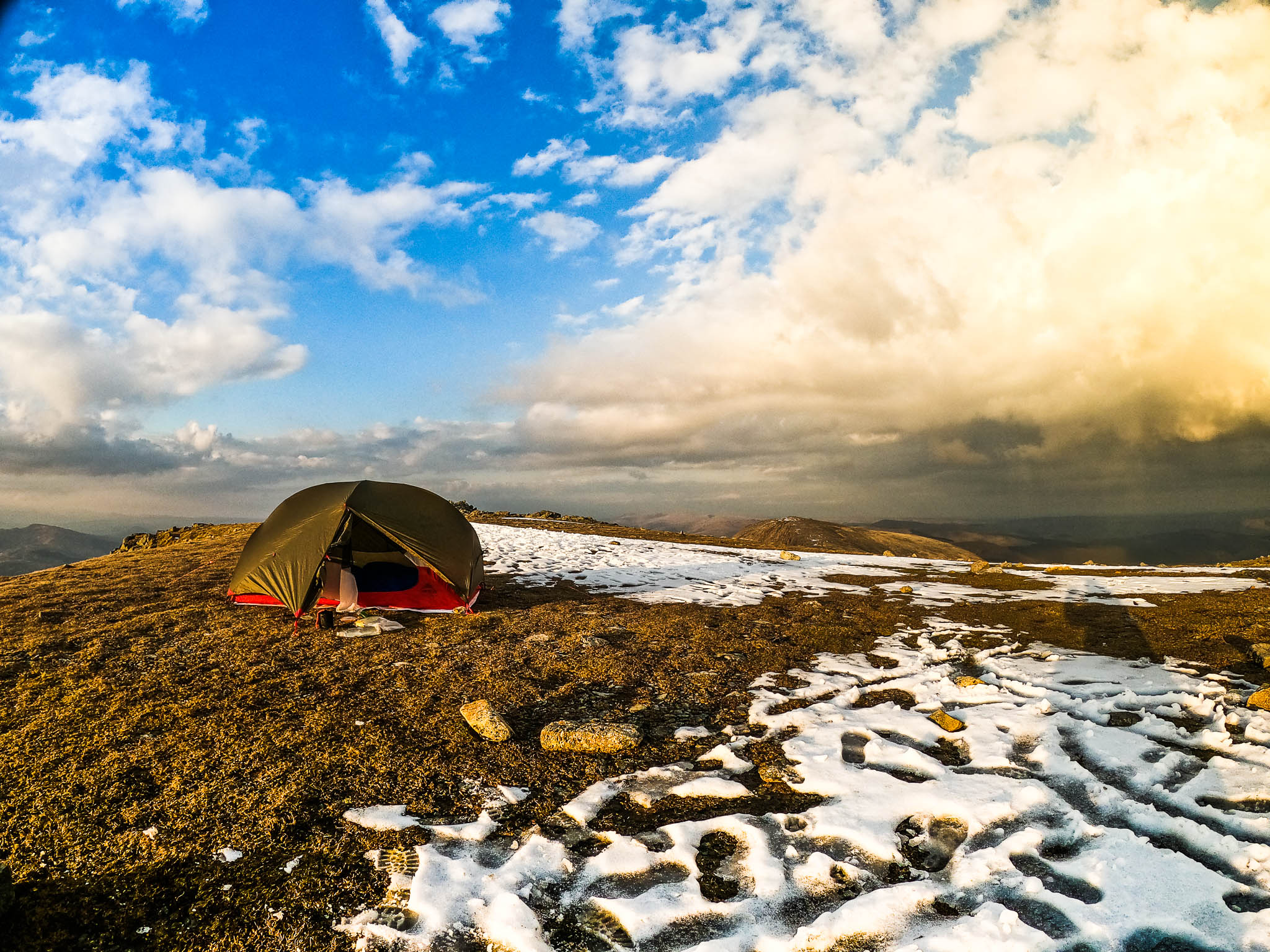
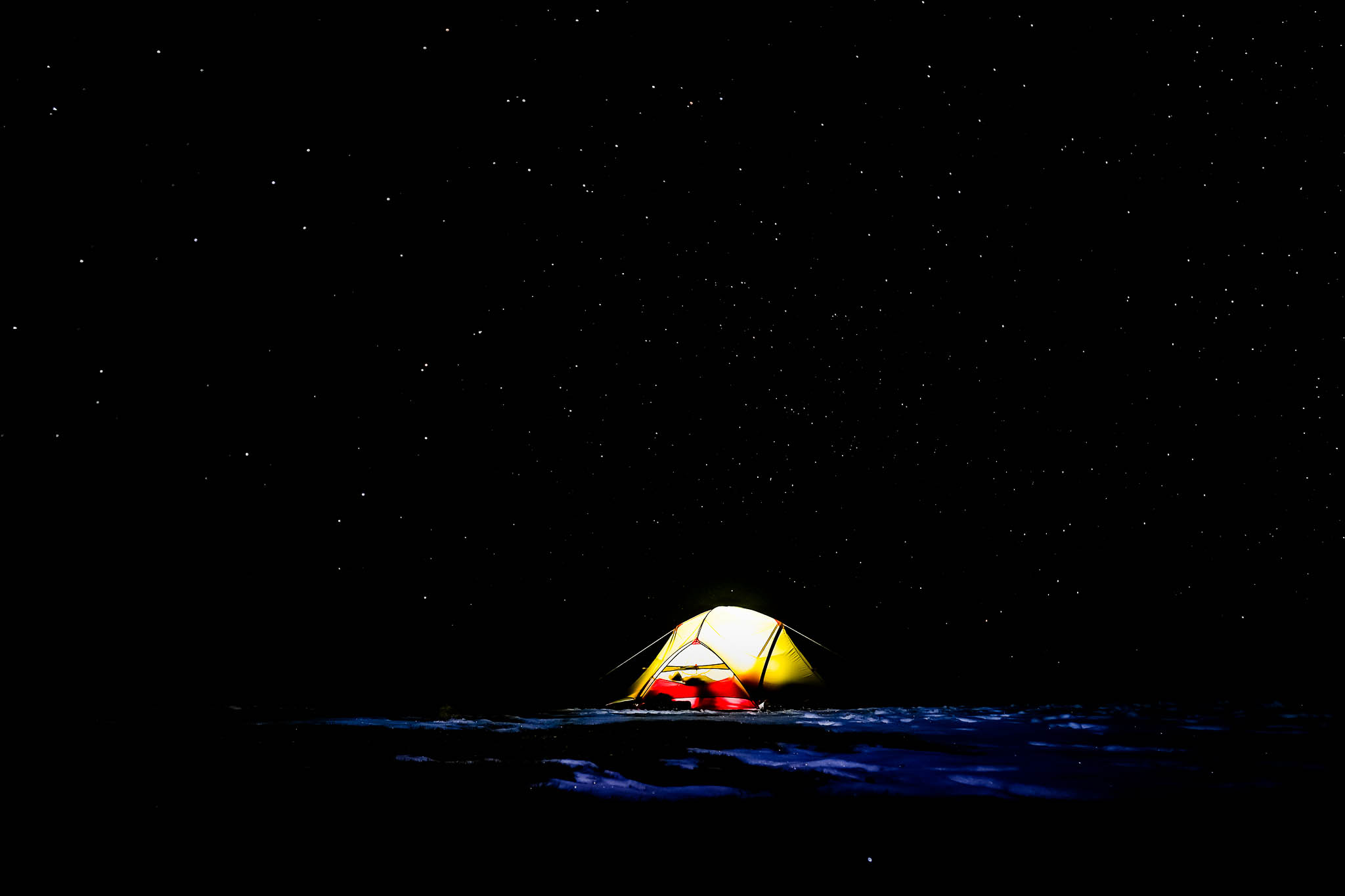
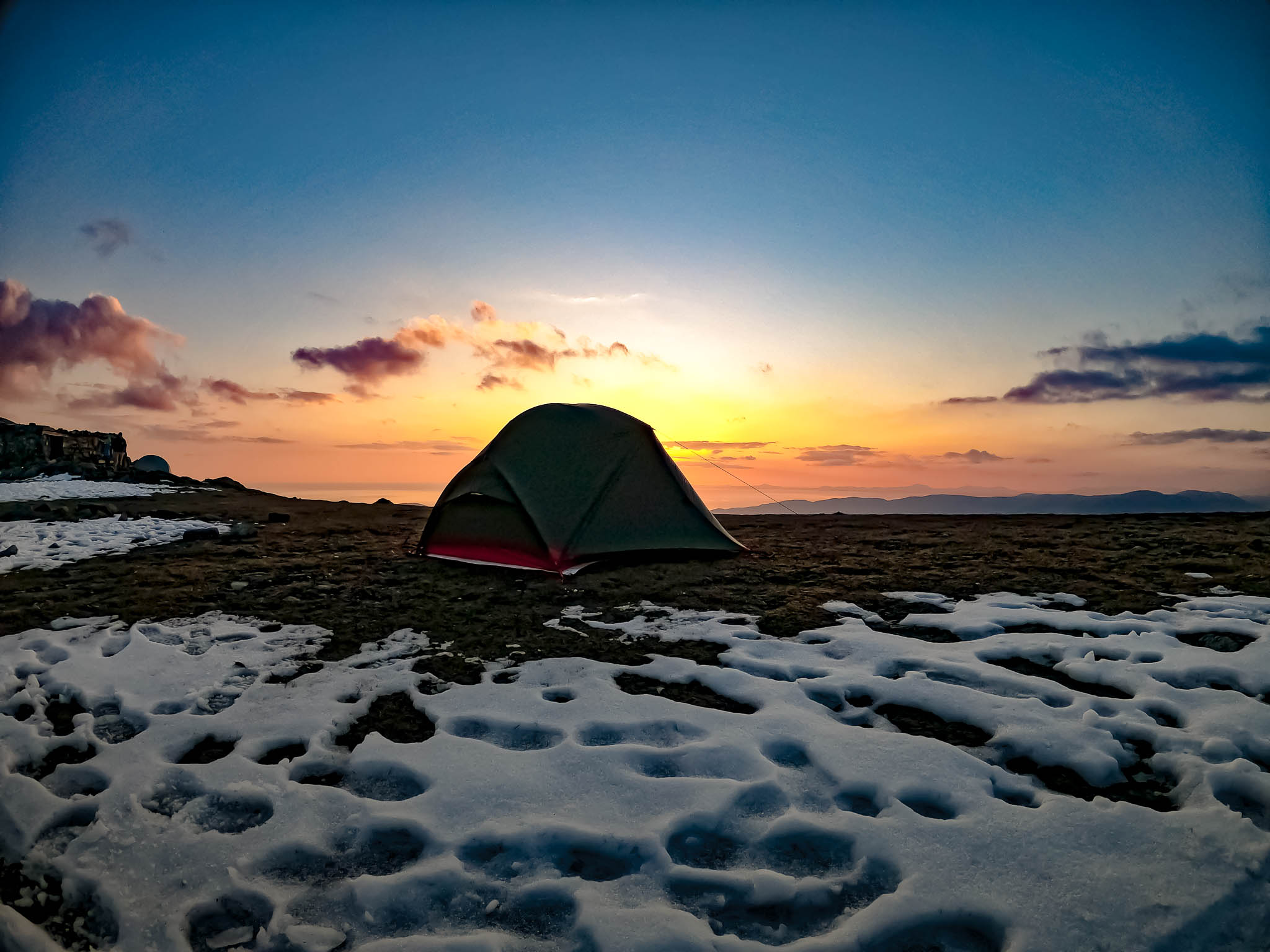
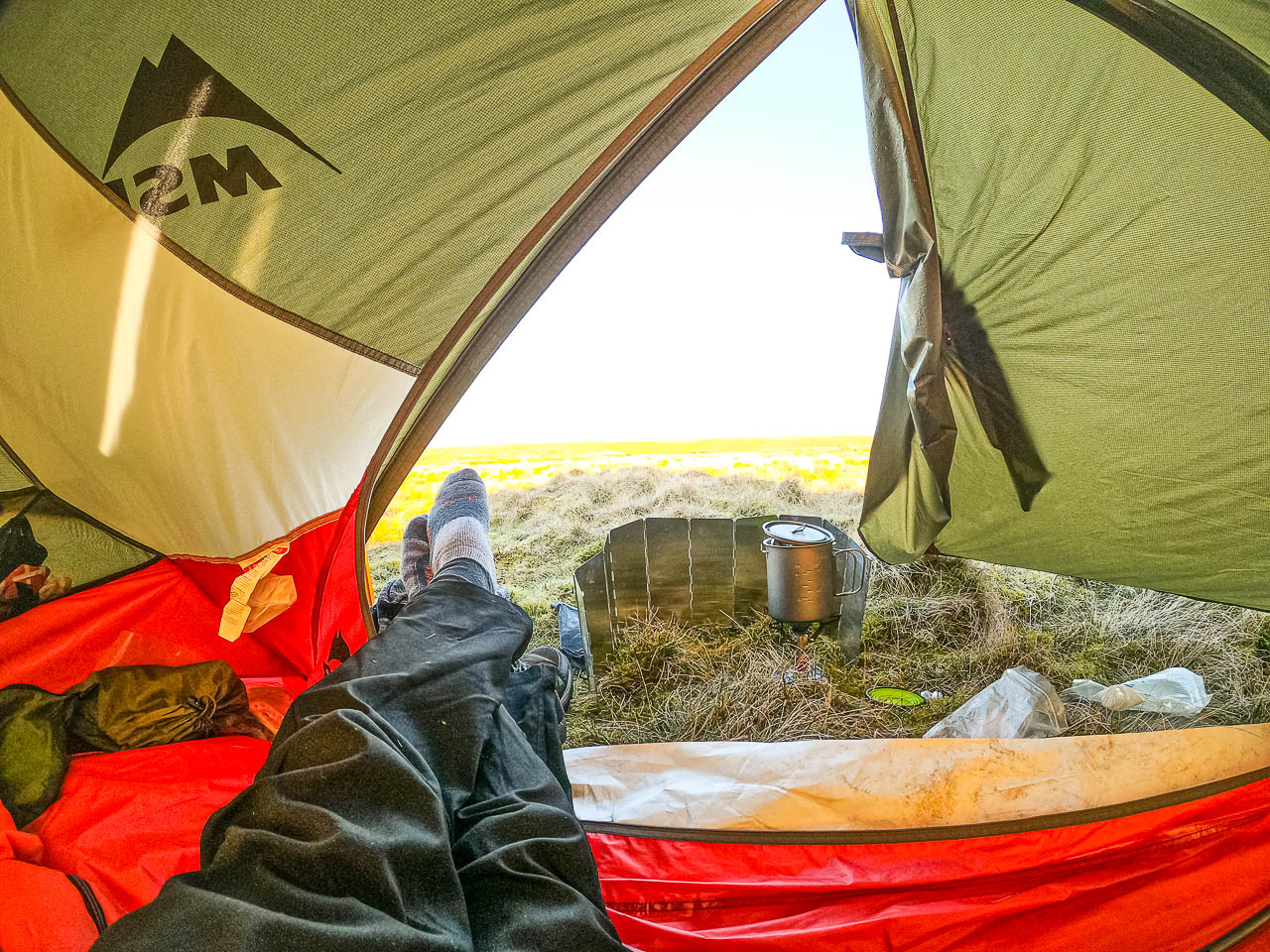
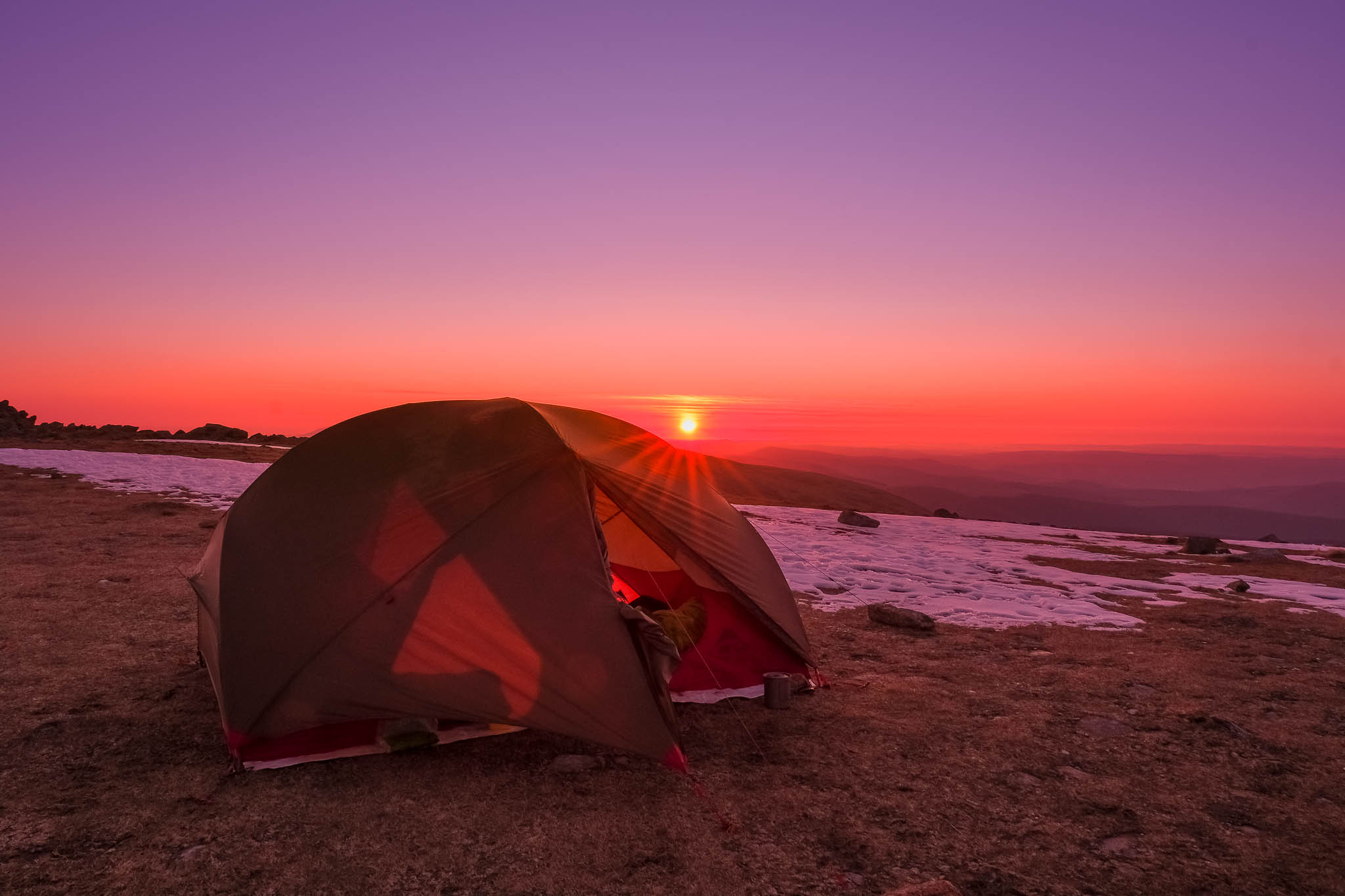
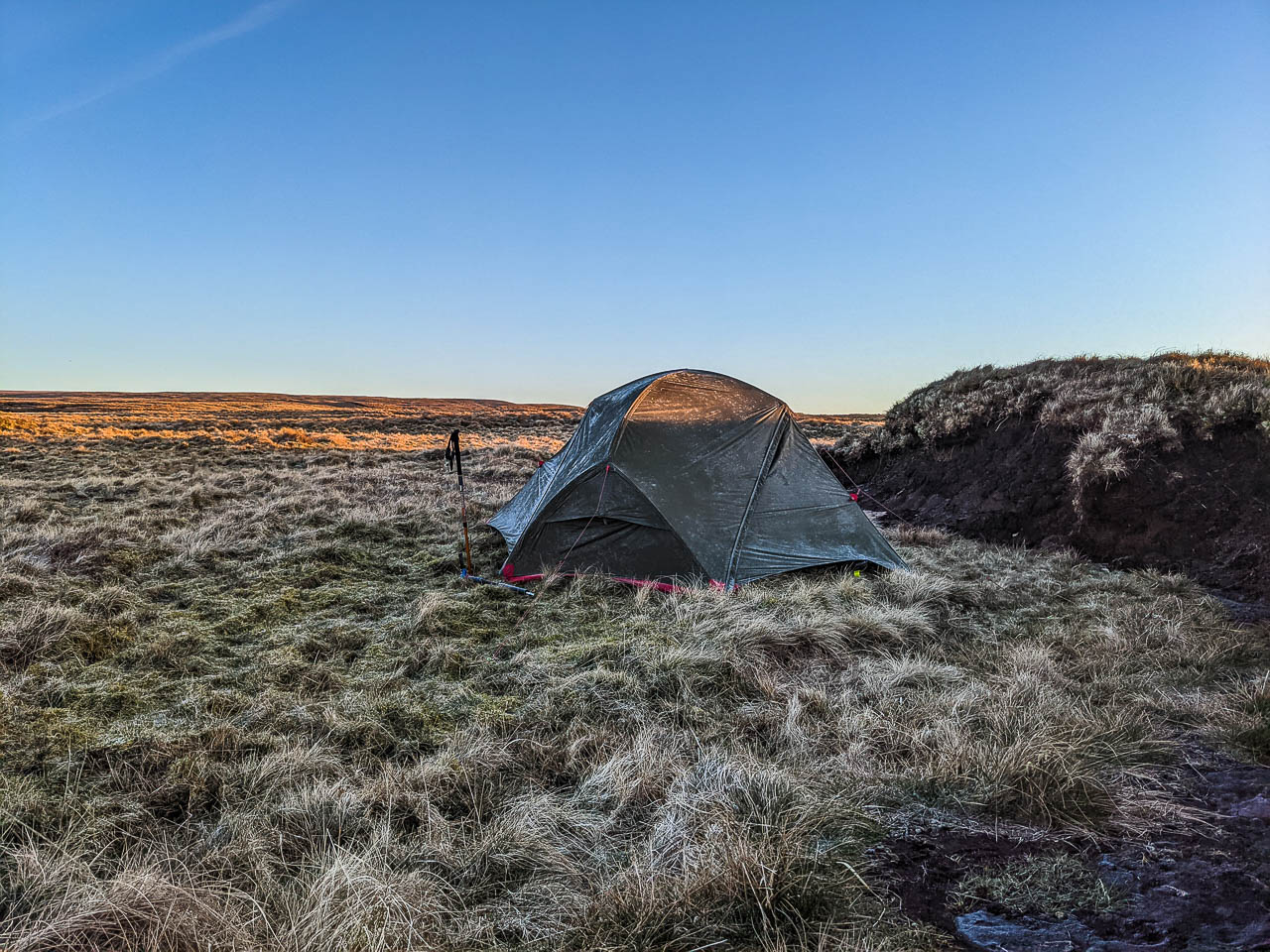
A shelter you go inside that is fully enclosed. That’s all there is to it!
Tarp
A shelter you string between trees or walking poles to create a roof, but generally no sides.
Bivvy Bag
A ‘bag’ you climb into (along with your sleeping system) to keep you dry. Some are open at the face end, some close up fully.
Mixing & Matching
People will sometimes use a tarp & bivvy bag together. Very rare to use a bivvy bag and tent or occasionally some may use a tarp and tent.
Prices range from ridiculously low to ridiculously high. Honestly. You can get a decent 1 person tent for maybe £50 or less or an all singing all dancing tent for £1000+
Sleeping System
This will be a sleeping mat, sleeping bag and possibly a sleeping bag liner and usually a pillow.
The sleeping mat provides insulation from the ground and helps keep the cold from you.
A sleeping bag keeps you warm, a sleeping bag liner adds a little bit of warmth but also acts as a barrier to help keep the sleeping bag clean.
A pillow can come in various forms – rolled-up jumper or jacket or an inflatable type.
Cooking System
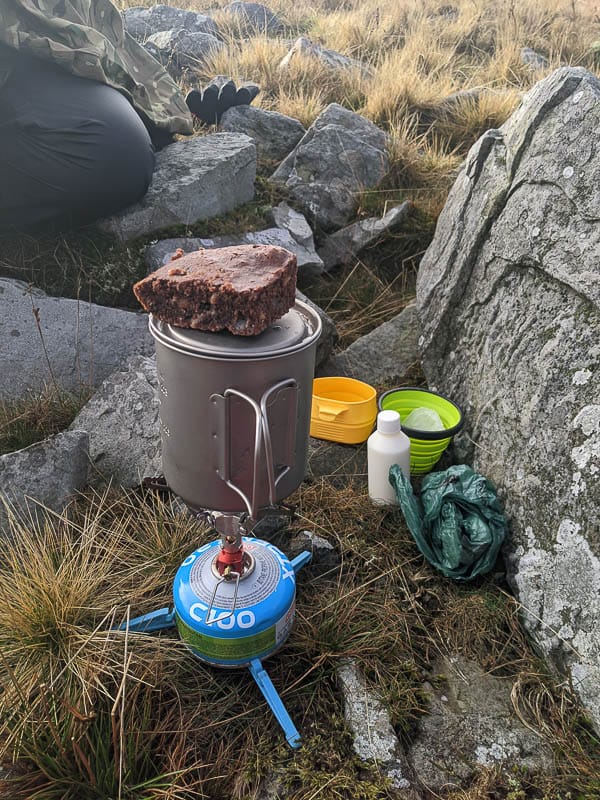
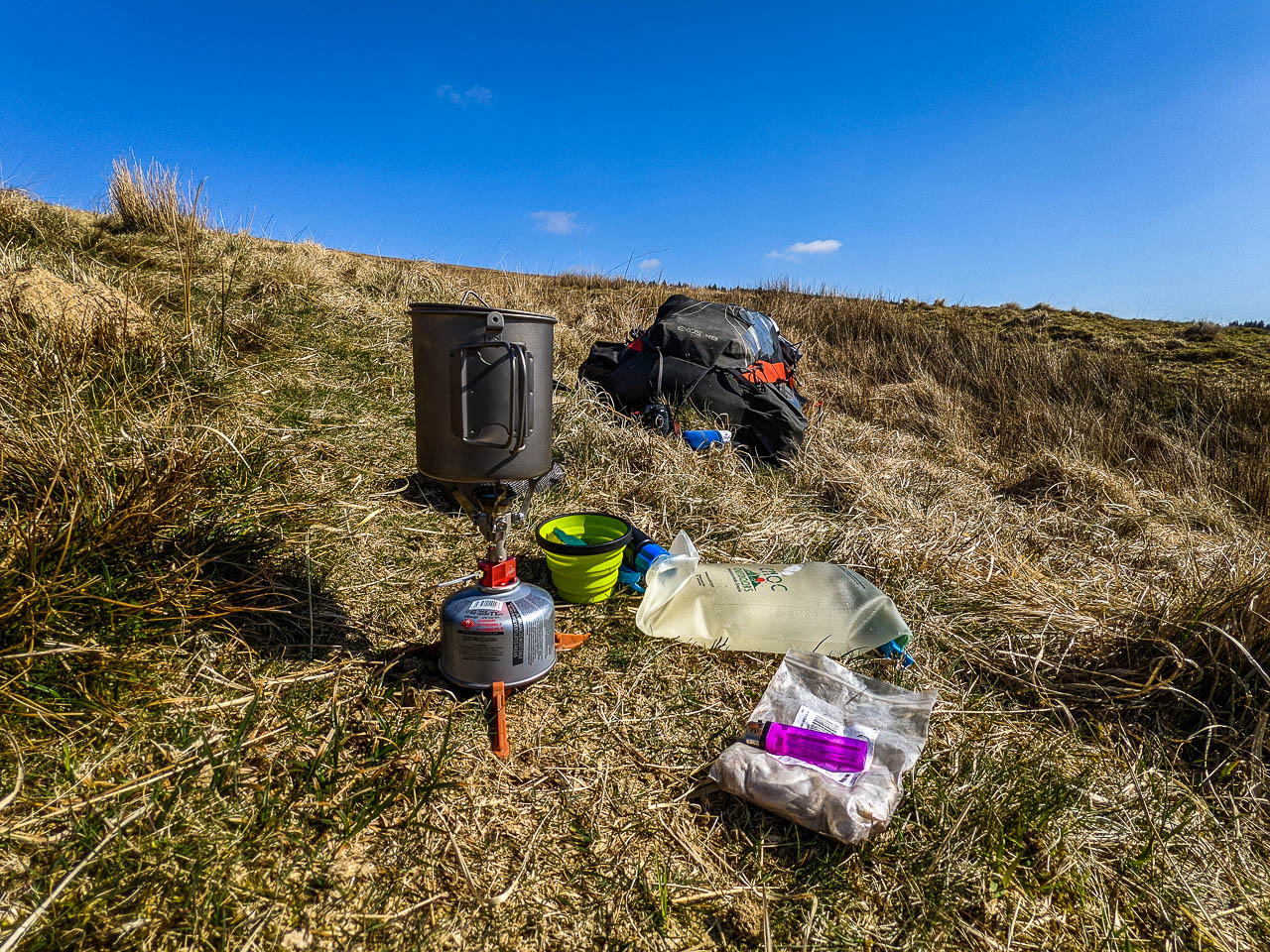
Essentially how are you going to heat water to drink tea/coffee with or cook your food?
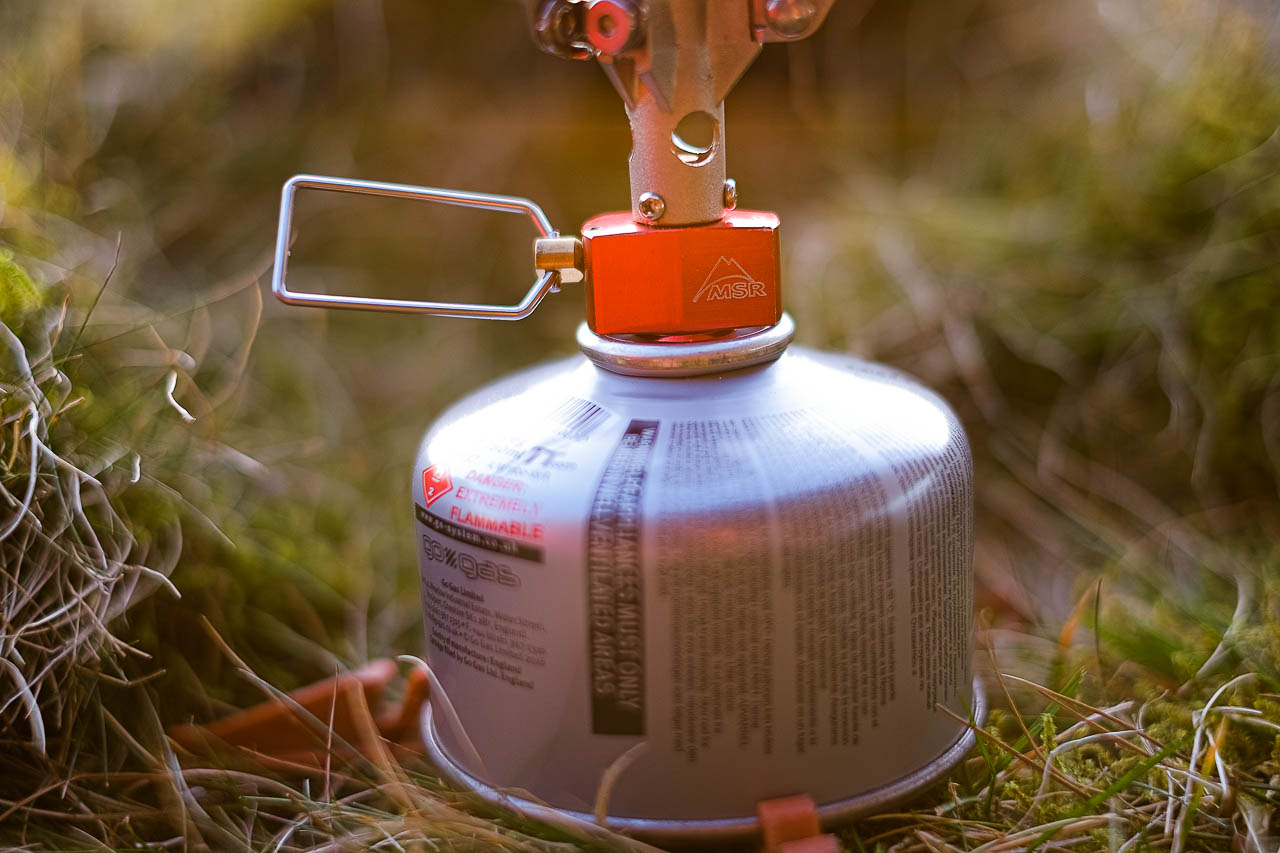
Two main type – gas & alcohol.
Alcohol is slower but easy and lightweight.
Gas is quick, easy and lightweight
You will also need a pot to heat water or to cook inside, a spoon/fork to eat with.
And that is it really! The BIG question comes from what kit you are going to buy, and before I talk a little bit about that I’d like to take about you…
Let’s talk about YOU!
OK – so you have an idea of the basics you need, but before you go out and buy stuff let’s think about a few things.
- How fit are you?
- How good are you at map reading?
- How good are your skills at self-help and self-rescue?
- How confident are you of being able to look after yourself should it all go wrong?
- How much money can you afford to lose?
How fit are you?
Fitness does play an important aspect in wild camping, especially if you are wanting to go to the more remote places in the UK. You need to be able to carry your kit, water, food etc for several miles and still be fit enough to pitch a tent at the end of it.
If you have never done anything physical like this before I’d suggest you start off slower…go for days out carrying a rucksack with the kit in it. Build your fitness levels. If you go all-in on the first wild camp and find you are not fit enough to carry the weight in a rucksack you won’t enjoy the experience at all…and probably won’t go back… and so would have wasted your money.
How good are you at map reading?
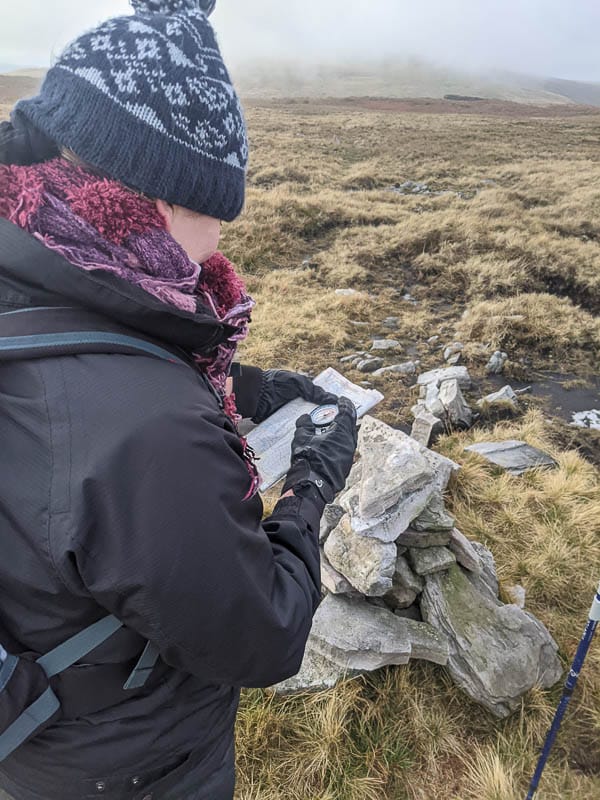
Yes – you are going to have a read a map at the least. Or invest in some electronic devices to help you get to where you need to be.
Fail in this and you will get lost and will probably have to return back to your car or call Mountain Rescue to come and help you – embarrassing if you are lost.
How good are your skills at self-help and self-rescue?
See above about Mountain rescue! You need a certain amount of solid common sense to wild camp, the wherewithal to know when to call it a day and leave or stick it out on the mounting and see what happens. You must have the skills, knowledge to self-help and self-rescue in these instances first and foremost, You put yourself into that position…you should be able to get yourself out of it. This is obviously notwithstanding injury.
How confident are you of being able to look after yourself should it all go wrong?
The more confident you are the more ‘wilder’ your wild camps will be. The bigger the summits, the longer the walks to them etc.
In short Wild Camping isn’t about pitching a tent and going for it – it’s about doing something that is essentially dangerous and risky and has the skills, experience, expertise and confidence to do it.
How much money can you afford to lose?
Finally, this last one is about the costs of wild camping. It can cost you a lot…or it can cost you a little. However, if you go out and buy the latest greatest most expensive kit and then decide you don’t like it you have lost money.
Yes at the time of writing (April 2021) there is an inflated second-hand market for certain tents…expect that to drop massively once tent makers come out of furlough and people go back into work. It’s hard to justify a tent costing £1000 when you only use it 2 or 3 times a year. Especially if you are in a relationship.
Where to wild camp.
Recommendations for wild camping locations…
Lots of people asking for these, and it’s great that so many want to get out and about and enjoy the countryside.
However part of the fun is in the finding of your own spots, at least for me anyway.
Many people are reluctant to give out locations because they no longer become “wild”. They become bog-standard, overused and so well known you’ll find they’ll be abused.
It’s not that I, or others, don’t want to help. We do.
Personally, I’m cautious about telling people because I don’t know them…I don’t know the equipment they have, their fitness levels, their experience etc.
Planning Your Route
My advice is to get the map out, plan your route and look for areas that may be suitable. You’re looking for spots where the contour lines are far apart, where there aren’t any tufts / marshy looking symbols and preferably a stream or lake. They should be well away from a track or path (unless in an emergency) so you stay unobtrusive.
If you prefer woodland…look for those areas.
Then use Google maps and ariel photos to check the ground as much as you can.
I use the OSGB online mapping application for this, and then download the routes to my phone.
Some Personel things to think about
Where you go, how high up, what you carry and for how far will all be dictated by your personal skills, knowledge, experience and the capabilities of your kit.
A cheap tent that’s crap in wind? You go lower. Higher-end tent that you know is good in strong winds…try a summit…as long as you have the skills & experience to self help / self-rescue should things go wrong!
Summer sleeping bag? Keep to hot nights. Full on -30’C down bag? Get yourself to the Cairngorms!
Never been further than your local chemist? Don’t try walking a long distance path on a whim.
Walk, hike & camp within the limits of your equipment, fitness and experience.
Find a Menor / Coach
Reach out and find a more experienced person to help mentor you (yes, I did say mentor!) and possibly go out a few times with you.
Some may do this for free, some may charge. Some will expect you to have your own kit, some will have the kit you can use/hire.
The latter is a good option if you’re new as it will save you a fortune!
https://dreamingoftheoutdoors.com/adventure-experiences/
The BASIC kit-list for Wild Camping
My advice is based on a decent, cheap kit that will get the job done and not cost a fortune.
This kit is NOT for extreme mountain summit wild camps in inches of snow and howling winds either. It’s for lowland camping, below the treeline to give you a state of the lifestyle in a late spring, summer wild camp.
I’m NOT sponsored by Go Outdoors by the way, but it is a useful shop to buy everything you need.
Carrying System
OEX Vallo EXP 50:60. This is more than big enough for your first Wild Camp.
Shelter System
OEX Phoxx II Tent. A nice 2 person tent (I’d recommend 1 person really!)
Cooking System
Gas Cannister, screw filter.
Cooking pot – nice one person set
Spoon / Fork combination
Sleeping System
Sleeping bag – OEX Fathom EV 200 Good for around 7’C (so think summer use!!)
Sleeping Mat – Berghaus Peak Self Inflating
Food (my favourite subject on a wild camp!)
Dehydrated meals (just add water) are lighter but boil in the bag are more convenient.
Think about a dinner, pudding and breakfast plus tea/coffee and some snacks.
Total Cost £225 inc food